




Tips for Creating a Cozy and Productive Home Office Space
Creating a well-designed home office space is more important than ever as many people continue to work or study from home. A cozy and productive environment can help boost your focus, creativity, and overall well-being. Whether you have a dedicated room or just a small corner, you can transform your workspace into a place where work feels natural and enjoyable.
In this guide, we’ll explore practical tips to help you set up a home office that feels both inviting and effective.
Choose the Right Location
Consider Natural Light
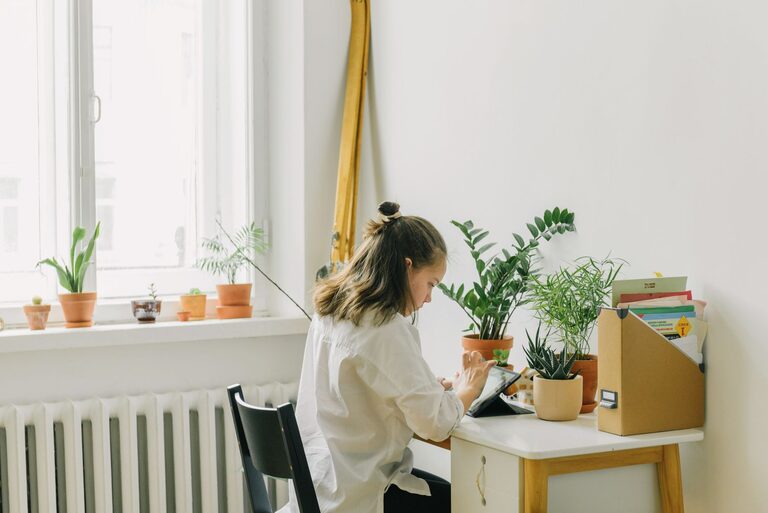
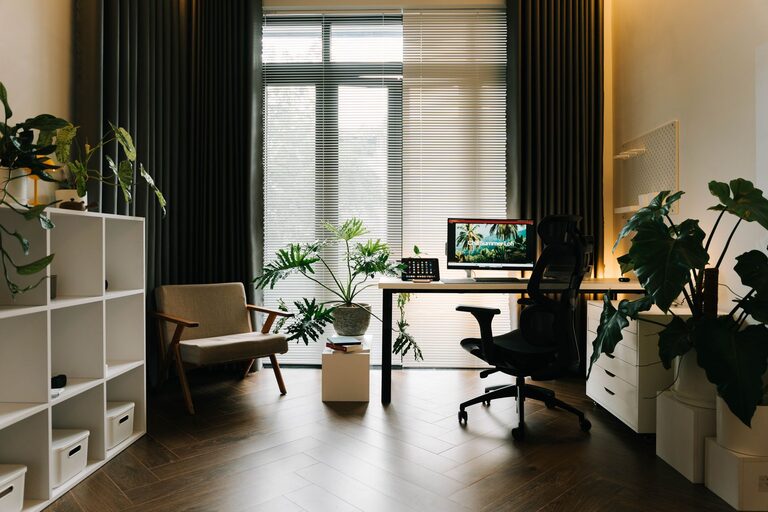
Natural light can have a positive impact on your mood and energy levels. Try to set up your office near a window where you can take advantage of daylight. If natural light is limited, invest in good quality artificial lighting with adjustable brightness.
Minimize Distractions
Pick a spot in your home where noise and foot traffic are minimal. If silence is hard to find, consider noise-canceling headphones or sound-absorbing materials like rugs and curtains.
Invest in Comfortable and Functional Furniture
Ergonomic Chair
Your chair is one of the most important elements for long periods of sitting. Choose a chair that offers adequate lumbar support, adjustability, and cushioning to prevent discomfort and promote good posture.
Sturdy Desk
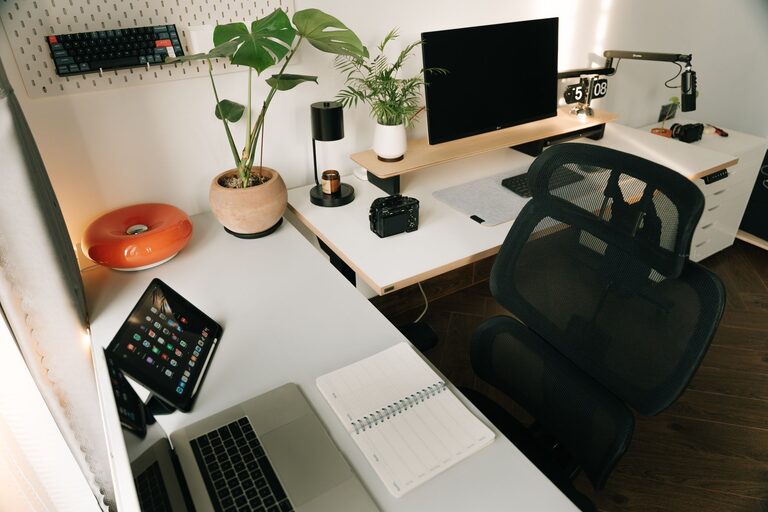
Select a desk that fits your space and work needs. Consider the height, surface area, and storage options. A standing desk or adjustable desk can offer flexibility to alternate between sitting and standing.
Organize Your Workspace Efficiently
Declutter Regularly
Keep only essential items on your desk to avoid distractions. Use trays, boxes, or organizers to store supplies neatly.
Cable Management
Tidy up cords and cables with clips, holders, or sleeves to prevent tangles and create a cleaner appearance.
Use Vertical Storage
Wall shelves, pegboards, or corkboards maximize space and keep important items within easy reach.
Personalize Your Space
Choose Calming Colors
Soft, neutral tones or your favorite calming colors can make your workspace feel more peaceful and inviting.
Add Greenery
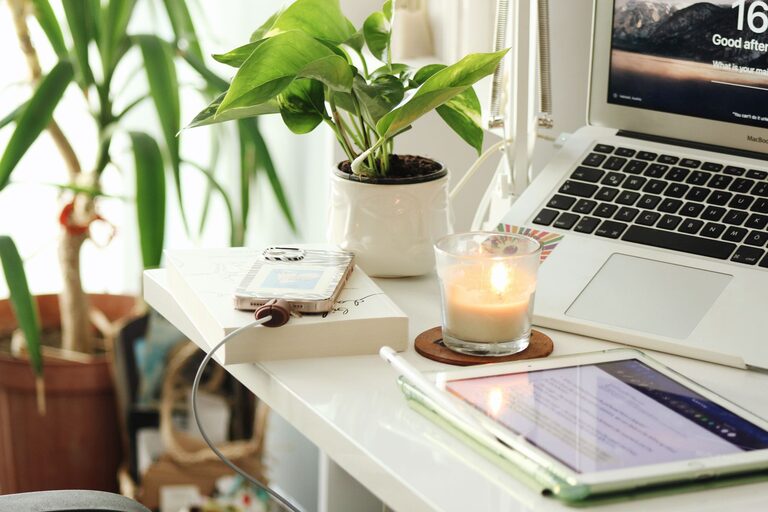
Plants not only enhance aesthetics but also improve air quality and reduce stress. Choose low-maintenance options like succulents or spider plants.
Decorate Thoughtfully
Incorporate items that inspire you, such as art prints, photos, or meaningful objects—but avoid overcrowding the area.
Prioritize Good Lighting
Layer Your Lighting
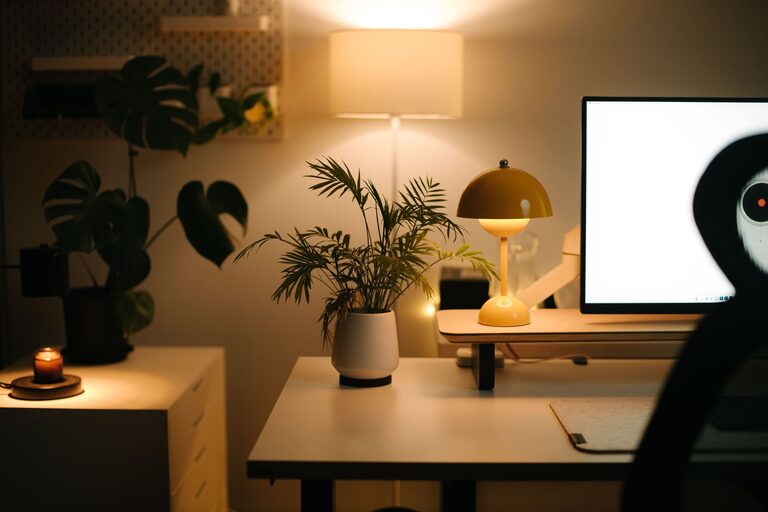
Combine ambient lighting (overhead lights), task lighting (desk lamps), and accent lighting to create a balanced atmosphere.
Avoid Glare and Shadows
Position your light sources to minimize glare on screens and prevent shadows that can cause eye strain.
Establish Clear Work Zones
Define Your Workspace Boundaries
If your home office shares space with other living areas, use rugs, partitions, or furniture placement to signal work areas visually.
Separate Work and Relaxation
Avoid working from your bed or couch to help maintain a healthy work-life balance.
Enhance Productivity Habits
Keep Supplies Handy
Stock frequently used items like pens, paper, and chargers near your desk to reduce interruptions.
Use a Planner or Digital Tools
Organize your tasks with a planner, calendar, or productivity apps to stay on track.
Take Breaks
Incorporate short breaks to stretch, hydrate, or walk around. This helps reduce fatigue and improves focus.
Maintain Air Quality and Comfort
Ventilation
Ensure your office has fresh air circulation. Open windows when possible or use a fan or air purifier.
Temperature Control
Keep your workspace at a comfortable temperature to avoid distractions caused by being too hot or cold.
Conclusion
Creating a cozy and productive home office space is all about balancing comfort with functionality. With thoughtful planning and attention to your personal needs, you can design an environment that supports your best work. Start small, make adjustments as you go, and enjoy the benefits of a workspace tailored to you.