





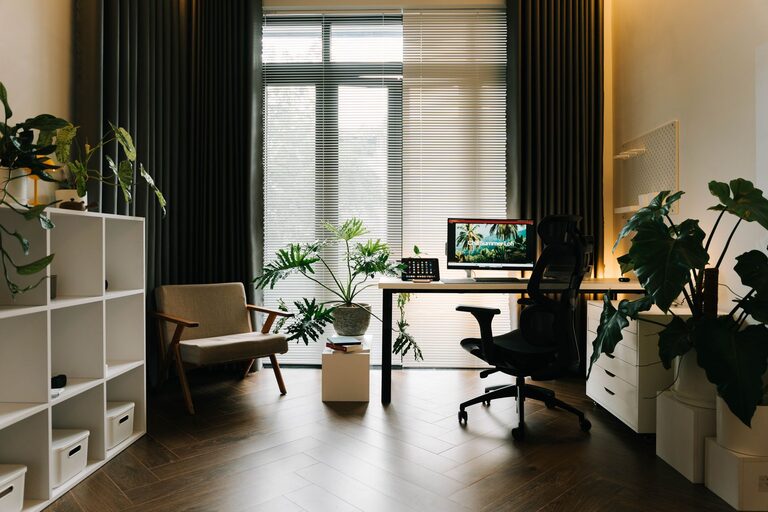
Tips for Creating a Productive Home Office Environment
Creating a productive home office environment is essential for anyone working remotely or managing tasks from home. A well-organized and comfortable workspace helps improve focus, reduce distractions, and enhance overall work performance. In this post, we’ll share practical tips to help you design a home office that supports productivity and well-being.
Choose the Right Location
Selecting the ideal spot for your home office is the first step. Look for a quiet area with minimal foot traffic and distractions. Consider a room with a door that can be closed to signal when you’re working and reduce interruptions.
If space is limited, a dedicated corner in a living room or bedroom can work. Just make sure it feels separate enough to maintain your work mindset.
Invest in Ergonomic Furniture
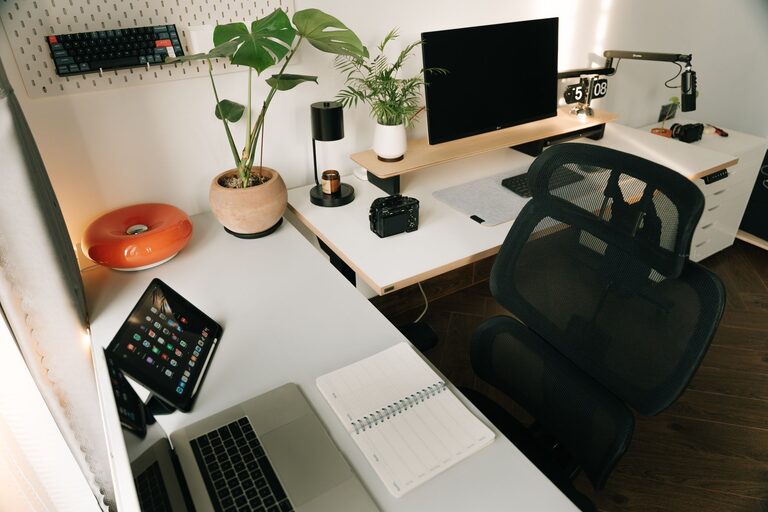
Comfort is key when spending long hours at a desk. Invest in an ergonomic chair that supports your lower back and promotes good posture. Adjustable chairs and desks that allow you to sit or stand can prevent discomfort and fatigue.
Choose a desk with enough surface area for your computer, paperwork, and any other tools you need. Having a clutter-free and comfortable setup makes it easier to stay focused.
Optimize Lighting
Proper lighting reduces eye strain and boosts alertness. Natural light is best, so position your desk near a window if possible. If natural light is limited, supplement with bright, adjustable LED lighting.
Avoid glare on your computer screen by using blinds or positioning your monitor away from direct light. Task lighting, such as desk lamps, can provide extra brightness for reading or detailed work.
Keep Your Space Organized
A tidy workspace helps minimize distractions. Use storage solutions like shelves, drawers, and desk organizers to keep papers and supplies in order. Declutter regularly to maintain a clean environment.
Consider digital organization as well. Keep your computer desktop and files streamlined to avoid digital clutter, which can also impact productivity.
Set Boundaries and a Routine
Working from home requires clear boundaries between work and personal life. Set regular work hours and communicate them with family or roommates.
Create a daily routine that includes breaks and time to stretch. Use alarms or timers to remind yourself to step away from your desk periodically to prevent burnout.
Personalize Your Workspace
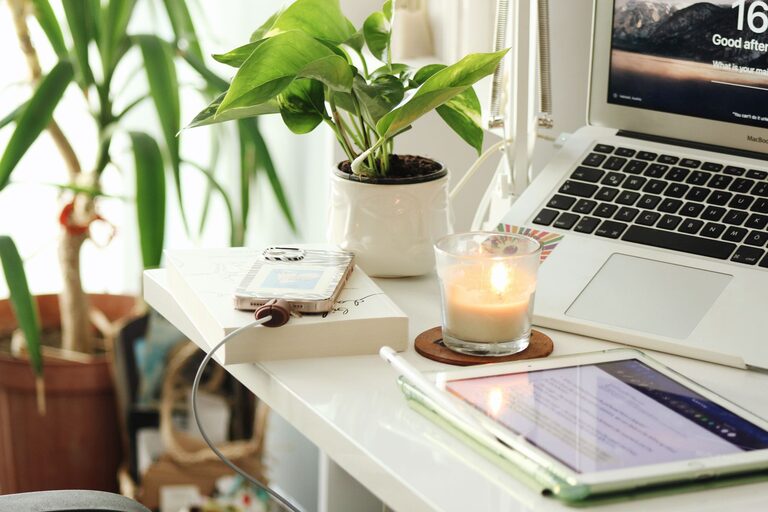
Adding personal touches can make your home office more inviting and motivating. Plants, artwork, or photos can create a calming atmosphere.
Choose colors and décor that inspire you without overwhelming the space. Balance creativity with simplicity to maintain focus.
Limit Distractions
Identify common distractions and find ways to reduce them. Use noise-canceling headphones or background music to block out household noises.
Turn off non-work notifications on your phone or computer during work hours. If you have trouble staying focused, try productivity techniques like the Pomodoro method, where work periods are broken into timed intervals.
Use Technology Wisely
Leverage tools and apps that support productivity. Calendar apps, task managers, and communication platforms can help keep you organized and connected with colleagues.
Ensure your internet connection is reliable, and have backup options if possible. Keep your software and hardware updated to avoid technical disruptions.
Maintain Good Air Quality and Comfort
Air quality affects concentration and health. Keep your workspace ventilated by opening windows or using air purifiers.
Maintain a comfortable room temperature to avoid discomfort. Small changes like these can make your workday more pleasant.
Take Care of Your Well-Being
Your home office should support your overall well-being. Incorporate short physical activities like stretching or walking to stay energized.
Drink water throughout the day and eat balanced snacks to maintain energy levels. Mental wellness is equally important, so don’t hesitate to take breaks and practice stress-relief techniques.
—
By thoughtfully designing your home office environment with these tips, you can create a workspace that enhances productivity and supports a healthy work-life balance. Whether you’re new to remote work or looking for ways to improve your current setup, small changes can lead to big improvements in your daily work experience.