




Tips for Creating a Relaxing Home Workspace to Boost Productivity
Creating a relaxing home workspace is essential for maintaining focus, reducing stress, and boosting productivity. Whether you work remotely full-time or occasionally, a thoughtfully arranged workspace can greatly influence how efficiently and comfortably you get your work done. In this post, we’ll explore a variety of tips to help you transform any area of your home into a peaceful, productive work zone.
Why a Relaxing Workspace Matters
Your environment plays a crucial role in your ability to concentrate and keep motivated. A cluttered, noisy, or uncomfortable workspace can lead to distractions and decreased output. On the other hand, a relaxing workspace fosters calmness and engagement, making work feel less like a chore and more like a rewarding activity.
Choose the Right Location
Consider Natural Light
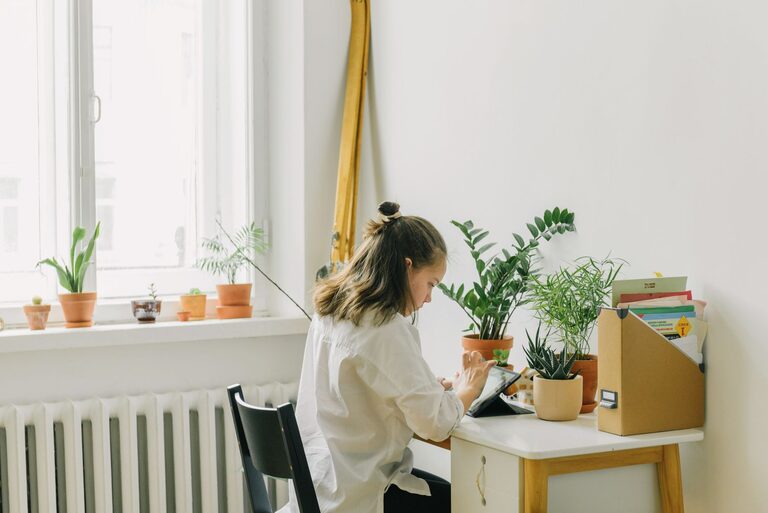
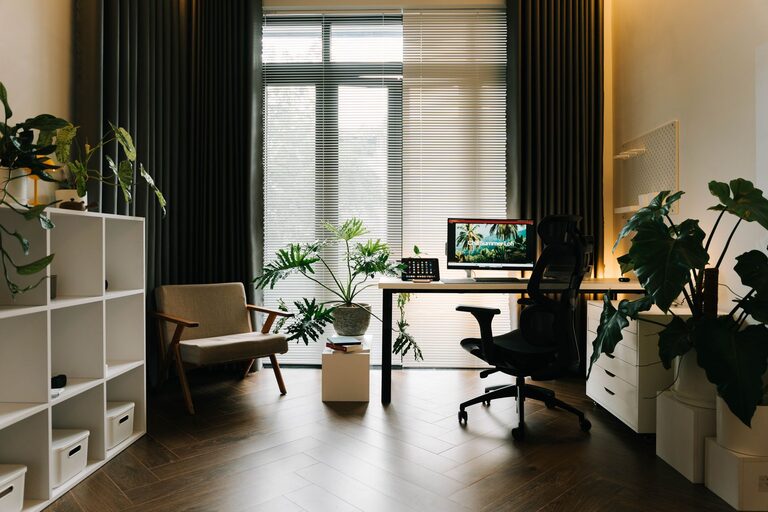
Sunlight not only brightens your space but also enhances mood and alertness. Position your desk near a window if possible. If natural light is limited, invest in good quality, adjustable lighting to reduce eye strain.
Minimize Noise and Distractions
Pick a quiet corner of your home where interruptions are minimal. Using noise-canceling headphones or white noise machines can also help maintain focus when household sounds are unavoidable.
Optimize Your Furniture
Invest in an Ergonomic Chair
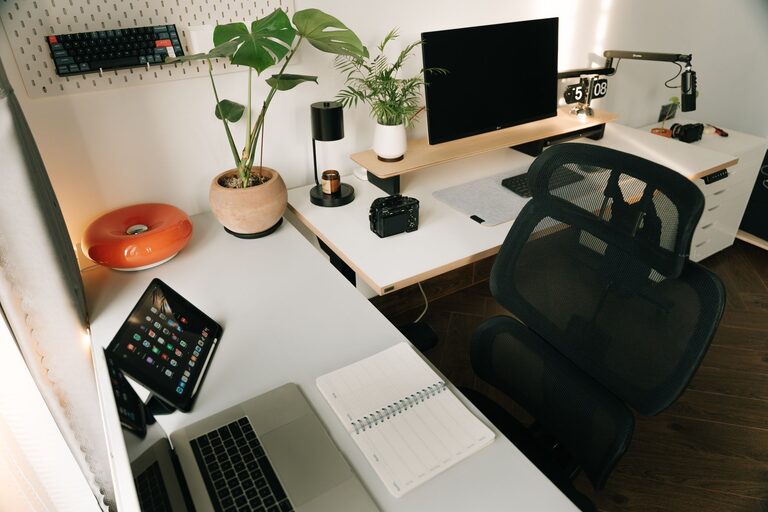
A comfortable chair that supports your posture can prevent back pain and fatigue. Look for adjustable chairs that allow you to maintain proper alignment with your desk and computer.
Select a Suitable Desk
Choose a desk size and height that accommodates your work materials and allows you to sit or stand comfortably. Standing desks or desks with adjustable heights can help vary your posture throughout the day.
Organize Thoughtfully
Declutter Regularly
Keep your workspace tidy by limiting what’s on your desk to essential items. Use storage bins, shelves, or organizers to keep paperwork and supplies neatly stowed away.
Use Desk Organizers
Small containers or drawer dividers help keep pens, sticky notes, and cables in order. A clean surface frees mental space and reduces stress.
Incorporate Calming Elements
Add Plants
Indoor plants improve air quality and add a touch of nature that can reduce stress and improve concentration. Choose easy-care plants like succulents, pothos, or snake plants.
Personalize With Meaningful Touches
Photos, artwork, or inspirational quotes can make your workspace feel inviting. Avoid cluttering by picking a few items that motivate or relax you.
Manage Technology Wisely
Use Cable Management Solutions
Tangled cables create visual chaos. Use clips, sleeves, or under-desk trays to keep cords organized and out of sight.
Optimize Your Screen Setup
Position your monitor at eye level to avoid neck strain. Adjust brightness and contrast settings for comfort.
Set the Right Atmosphere
Control Temperature
Work in a room with a comfortable temperature, ideally between 68-72°F (20-22°C). Use fans, heaters, or air conditioning as needed.
Use Scent to Enhance Focus
Aromas like lavender, peppermint, or eucalyptus can create a calm and focused atmosphere. Consider a small diffuser with essential oils, but avoid overpowering scents.
Establish Healthy Work Habits
Take Regular Breaks
Stand up, stretch, or take short walks every hour to reduce fatigue and improve circulation.
Set Clear Boundaries
Define work hours and communicate them to household members. This helps maintain a professional mindset and reduces interruptions.
Maintain Good Lighting
Combine Ambient and Task Lighting
General overhead lighting paired with focused desk lamps ensures your workspace is well-lit for different tasks.
Avoid Glare and Reflections
Position your computer and lighting to prevent glare on screens, which can cause eye strain.
Keep Comfort in Mind
Use a Comfortable Keyboard and Mouse
Ergonomic peripherals reduce wrist strain and increase comfort over long work periods.
Have a Supportive Footrest
If your feet don’t rest flat on the floor, a footrest can improve posture and reduce discomfort.
—
By following these tips, you can create a home workspace that feels relaxing and supports your productivity naturally. Taking the time to design a comfortable and organized environment will not only improve your work quality but also make working from home more enjoyable. Start small with a few changes, and you’ll likely notice a positive difference in your workflow and well-being.